 ×
×

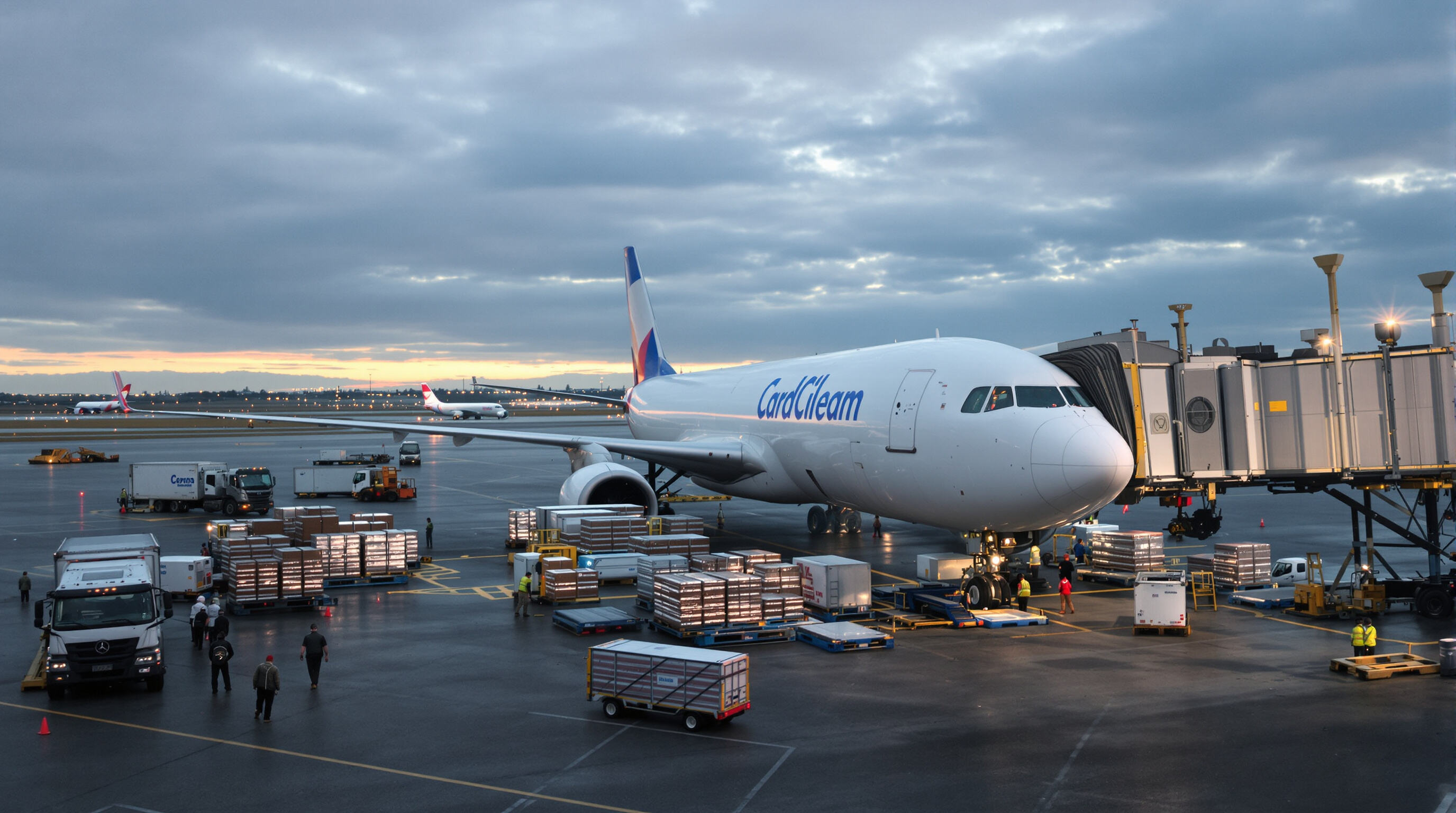
The speed of air cargo deliveries depends mostly on three main things: how ready the infrastructure is (this causes about 64% of all delays), whether carriers stick to their schedules, and changes in demand across different seasons. Express services promise pretty quick turnaround times, usually getting urgent packages there within 24 to 48 hours. Standard air freight tends to take longer though, around 3 to 7 days because shipments need to be consolidated first. Looking ahead, the global air cargo business is expected to expand by roughly 4.3% each year between 2023 and 2027. This growth means these factors will become even more important, especially for industries where timing matters a lot, such as when transporting medicines or parts for cars.
Cargo processing at key ports across Asia and Europe took about 18 percent longer in 2023 than it did before the pandemic hit. Looking at Africa's main logistics centers, recent studies from 2024 show around one third of all planned freight flights experience delays on the ground for over four hours. The main problems there seem to be outdated cold storage facilities and reliance on paper-based paperwork instead of digital systems. Things get even worse during busy periods. Last year in December alone, cargo companies tried to load 23% more goods onto planes than there was actual space available in the passenger compartments below the cabin. This created serious headaches for logistics managers trying to keep everything running smoothly.
Top logistics companies are increasingly turning to machine learning algorithms that track around 15 different factors in real time when figuring out optimal routes. Weather predictions play a big role here, especially those accurate within a 72 hour window. Fuel prices fluctuate constantly, so these systems monitor those changes too. They also check if there are open slots at alternative airports and whether customs clearance has already been processed. All this data crunching makes a real difference. On average, planes deviate from their planned paths about 37% less than before. And this translates into concrete environmental benefits too - carbon dioxide emissions drop roughly 12% per tonne kilometer travelled. What's remarkable is that all these improvements happen without compromising on delivery schedules which remain tightly controlled as always.
A recent report from the World Customs Organization in 2023 found that nearly 4 out of 10 air shipments face customs delays, which typically add anywhere between 12 to almost two full days to delivery schedules. The International Air Transport Association noted last year that these holdups push storage expenses up by around 15 to 20 percent for companies waiting on their cargo. Most frustrating are the paperwork problems causing clearance issues. About six out of ten times, mistakes happen with things like wrong HS codes or when required origin documents simply go missing. This creates major headaches for businesses relying on tight delivery windows, especially those shipping fresh produce or expensive electronics where timing is absolutely critical.
To minimize delays, top-performing shippers implement three proven strategies: pre-submitting digital documentation 72 hours before arrival, leveraging blockchain platforms for secure, real-time verification between parties, and partnering with licensed brokers who achieve 98% first-pass clearance rates in high-volume corridors like EU-ASEAN.
Seventy-three percent of logistics providers report compliance costs rising 18–25% due to duplicated inspections in multi-jurisdictional shipments (Global Trade Review, 2023). Although smart corridor agreements have reduced border wait times by 40% in pilot programs, adoption remains inconsistent—especially across Africa and South America.
The Internet of Things has become a game changer for air cargo operations these days. According to Logistics Tech Review from last year, delivery problems have dropped by around 34% when compared with old school tracking methods. These little embedded sensors keep sending out information about where packages are, what temperatures they're experiencing, plus humidity levels too. This constant stream of data lets logistics teams jump in before things go wrong while stuff is still moving across continents. Airlines that adopted these smart systems saw their mishandling issues cut down by nearly 30% thanks to those early warning signs from predictive maintenance notifications.
When IoT sensors get paired with blockchain technology, they generate records that cant be altered showing exactly what happens to cargo at each stop along the way. The combination tackles some big problems in shipping today. First off, it stops fake documents because everything gets recorded on these decentralized ledgers nobody can mess with. And second, it makes sure companies follow regulations since temperatures are automatically logged throughout transport something especially important when moving medicines around. Weve seen real improvements at international ports where customs officials used to spend hours checking paperwork manually. Now with digital verification systems in place, processing times have dropped about 40 percent across several major container terminals worldwide.
Even though major international airports have made significant progress, around sixty percent of smaller regional airports are still using old systems dating back to the 90s. The difference between these facilities creates real problems for packages that are tracked digitally but then handled manually at older airports. We've seen cases where cargo gets stuck for anywhere between twelve and forty-eight extra hours because of this mismatch. Most modernization projects today are concentrating on integrating APIs as a way to connect digital tracking with traditional manual processes. This approach allows airports to upgrade their operations gradually instead of having to completely overhaul everything all at once, which would be both expensive and disruptive to daily operations.
The way big economic forces and changing trade flows affect how much space airlines allocate for cargo and what they charge is pretty straightforward. When things slow down economically, factories produce less stuff and people spend less money, so there's just not as much freight to move around. Take 2020 for instance when global trade took a hit - according to IATA data from last year, airlines actually transported about 15% less cargo than usual. On the flip side, when industries grow fast in developing regions, we see these unexpected jumps in demand. Look at Southeast Asia recently where electronic goods exports shot up by 22% compared to the previous year in 2023 alone. The problem comes when different parts of the world aren't all moving in the same direction economically. Some major Asian manufacturing hubs have been struggling with declining exports, creating this patchwork of demand across different regions that makes it really tough to run an efficient global shipping network.
The rise of e-commerce is changing how much stuff gets shipped through the air. We're looking at around 25% of all retail sales happening online worldwide by 2027. People buying things across borders want their packages way faster these days too about 30% quicker than before the pandemic hit. That's why many stores are turning to planes instead of ships for shipping, even though it costs more. The biggest changes are happening in industries such as medicine. For example, when it comes to those expensive biological drugs that need special handling, almost all of them (around 85%) travel by air because they require strict temperature controls during transport. Makes sense really, since nobody wants their life-saving medication ruined on a slow boat ride.
Smart logistics companies are now using predictive analytics that look at things like composite PMI numbers, how confident consumers feel regionally, and fluctuations in jet fuel prices. According to research from McKinsey in 2023, businesses that actually pay attention to these metrics saw their air freight costs go down by around 18 percent when compared to those who just react after problems happen. Most industry leaders adjust their cargo capacity in real time these days. Some top players will move as much as 40% of their available air cargo space every week depending on what the market demands at any given moment. This kind of flexibility makes all the difference in managing unpredictable shipping needs.
The infrastructure readiness, carrier schedule adherence, and seasonality of demand are key factors affecting air cargo transit times.
Customs clearance delays can add 12 to nearly two full days to delivery schedules, significantly impacting businesses with tight deadlines.
Technologies like IoT, blockchain, and machine learning algorithms are enhancing efficiency in route optimization, tracking, and customs processes.
The rise in e-commerce has led to increased demand for quicker deliveries, prompting a shift from sea to air freight despite higher costs.
Express air cargo offers faster transit times (24-48 hours) with higher costs, while standard services take longer (3-7 days) and are more cost-effective.


