 ×
×

Keeping track of shipments as they move through customs areas and ports means dealing with over 14 thousand different regulations around the world. According to recent studies looking at international shipping issues, roughly two thirds of all delays happen because documents don't match up properly at borders. Things get even trickier in places where infrastructure isn't so developed. About forty percent of countries considered emerging markets simply don't have proper systems for tracking what goes into and out of their ports. This creates major visibility problems for companies trying to monitor where their goods actually are during transit.
Real-time tracking with updates under 30-minute intervals reduces inventory carrying costs by 18%. Complete shipment visibility enables companies to proactively reroute around geopolitical disruptions, optimize container utilization by 22%, and reduce cargo theft losses by $740k annually.
The latest GPS systems, along with RFID tech and Internet of Things devices, are changing how we track goods around the world. These GPS units can pinpoint locations down to just a few millimeters now, which is pretty impressive. Meanwhile, those little RFID tags make it possible to scan entire inventories automatically when ships arrive at ports or goods move through warehouses. And then there are IoT sensors that actually watch what's happening inside containers during transport. They monitor things like temperature changes within half a degree Celsius and keep tabs on humidity levels as well. According to recent findings from the Logistics Innovation Report released last year, companies that adopted this tech saw their shipping delays drop by almost half compared to old fashioned manual methods. When all these technologies work together, they basically create a continuous digital trail that follows products across international boundaries. This has cut down customs processing times significantly too, sometimes by as much as thirty percent according to industry insiders.
Smart containers powered by IoT technology can adjust their internal environment automatically for delicate cargo. When it comes to medicines, the onboard sensors will sound off when temps go beyond what's safe, stopping losses from spoiled products that run about seven hundred forty thousand dollars each year according to Ponemon research from last year. Shipping companies on the water have seen something like ninety two percent drop in insurance claims related to stuff that goes bad during transport. And let's not forget about those humidity controls working around the clock too they stop rust forming on metal parts being shipped overseas, saving roughly twelve million bucks worth of industrial equipment every single year just on those long sea journeys between continents.
Modern hybrid tracking solutions mix GPS signals with cell tower connections when ships are near cities, while relying on satellites over open oceans and frozen regions like the Arctic. Take those northern sea routes as an example they depend heavily on satellites orbiting close to Earth to keep position updates coming every few seconds at most. Most major companies report something like 99% reliability in areas where cell service disappears thanks to smart systems that automatically switch between different networks. This means cargo vessels can still be tracked without interruption even when ports in Southeast Asia shut down because of heavy rains during the rainy season months.
While industrial-grade IoT devices offer military-standard durability, their $120—$450 per-unit cost often exceeds budgets for high-volume shipments. Many operators now use “pay-per-trip†sensors costing $3—$8 per container voyage, reducing capital expenditure by 65% without sacrificing critical temperature or geolocation data streams.
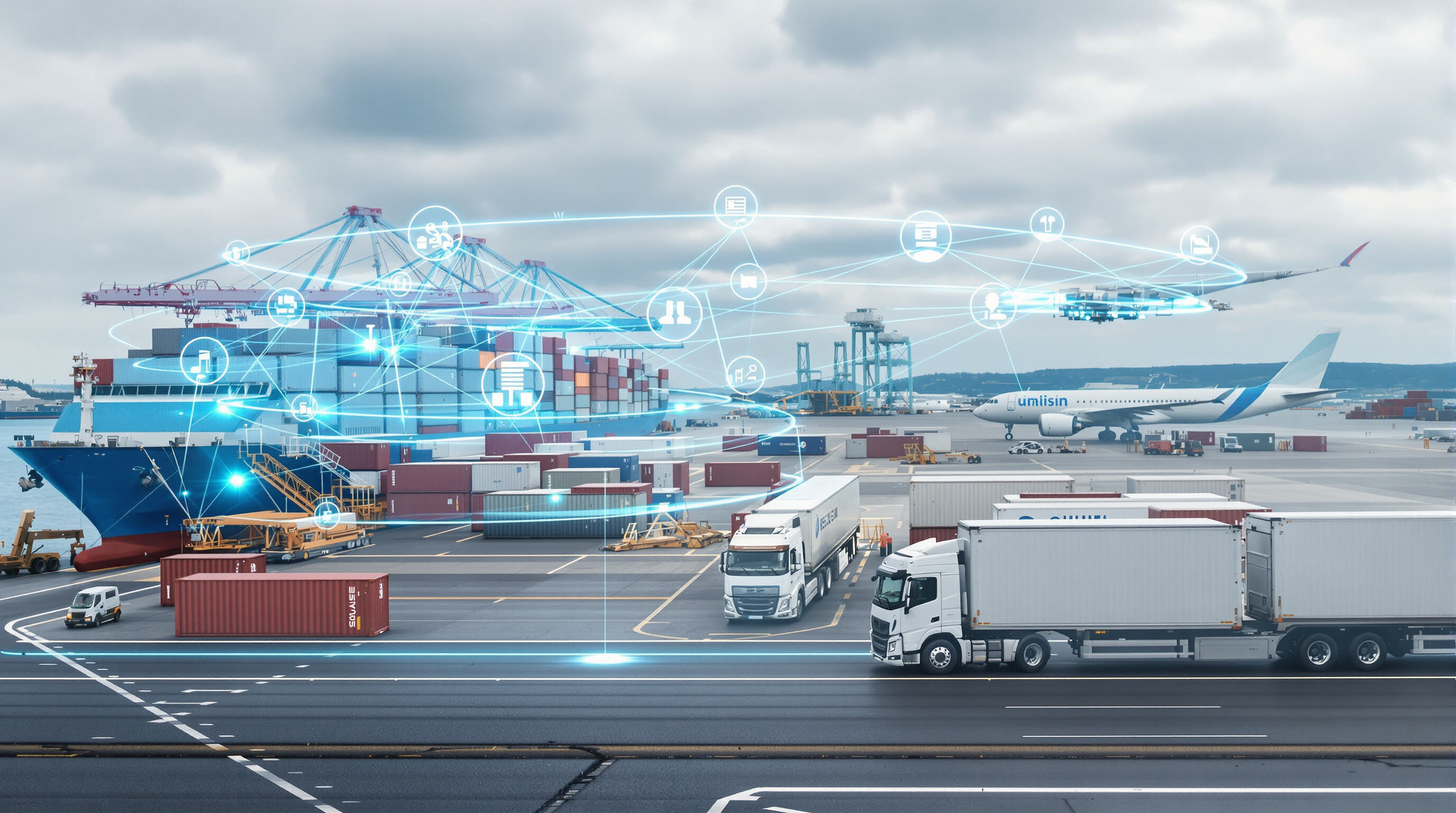
Real time tracking tech across sea, air and land transport finally tackles a major headache for global shipping companies those annoying blind spots when cargo moves from one transport type to another. These days, smart IoT devices and GPS systems work together to keep tabs on goods as they travel between vessels, aircraft and trucks, creating clearer picture of where everything actually is. When containers arrive at port with built in GPS, their transfer to airplanes triggers automatic updates to shipping documents, cutting down waiting times significantly. Some reports claim this cuts delays by around 40 percent versus old fashioned paper based methods according to DHL's latest findings from last year.
Tracking platforms that cover the whole supply chain bring together information from GPS devices, RFID tags, and various IoT sensors so businesses can keep tabs on containers wherever they go. According to research published by Gartner last year, firms implementing such tracking tech saw their operating expenses drop around 27 percent mainly because ships spent less time sitting idle in port areas and got through customs much quicker than before. Another big plus is automatic warnings when temperatures or humidity levels get out of whack inside shipping containers. This matters a lot for things like medicines needing cold storage or fresh produce traveling between different climates where sudden changes could spoil everything.
A big electronics company ran a test in 2023 using smart containers that track shipments in real time along all sorts of transport paths from Shenzhen to LA including ships, planes, and trucks. When the system spotted a 12 hour backup at the port happening right then and there, it redirected about 30 percent of those containers onto airplanes instead so they could still hit their delivery windows. As a result, total late deliveries dropped around 18%, which is pretty impressive considering costs stayed roughly within 5% of what was originally budgeted for the whole operation.
Old legacy systems tend to go missing when containers move from one carrier to another, which creates all sorts of tracking problems. But now we're seeing blockchain technology step in and keep track of everything across different transport companies without any gaps. According to a recent study by McKinsey, businesses implementing these new systems saw their paperwork mistakes drop by about half, around 52%, and those time-consuming handovers between carriers got faster too, cutting down wait times by roughly 22% last year alone. What makes this work so well is that there are standardized ways for shipping companies, airlines, and truckers to talk to each other digitally. This means information keeps moving smoothly through the supply chain even if several outside vendors are involved at different points along the way.
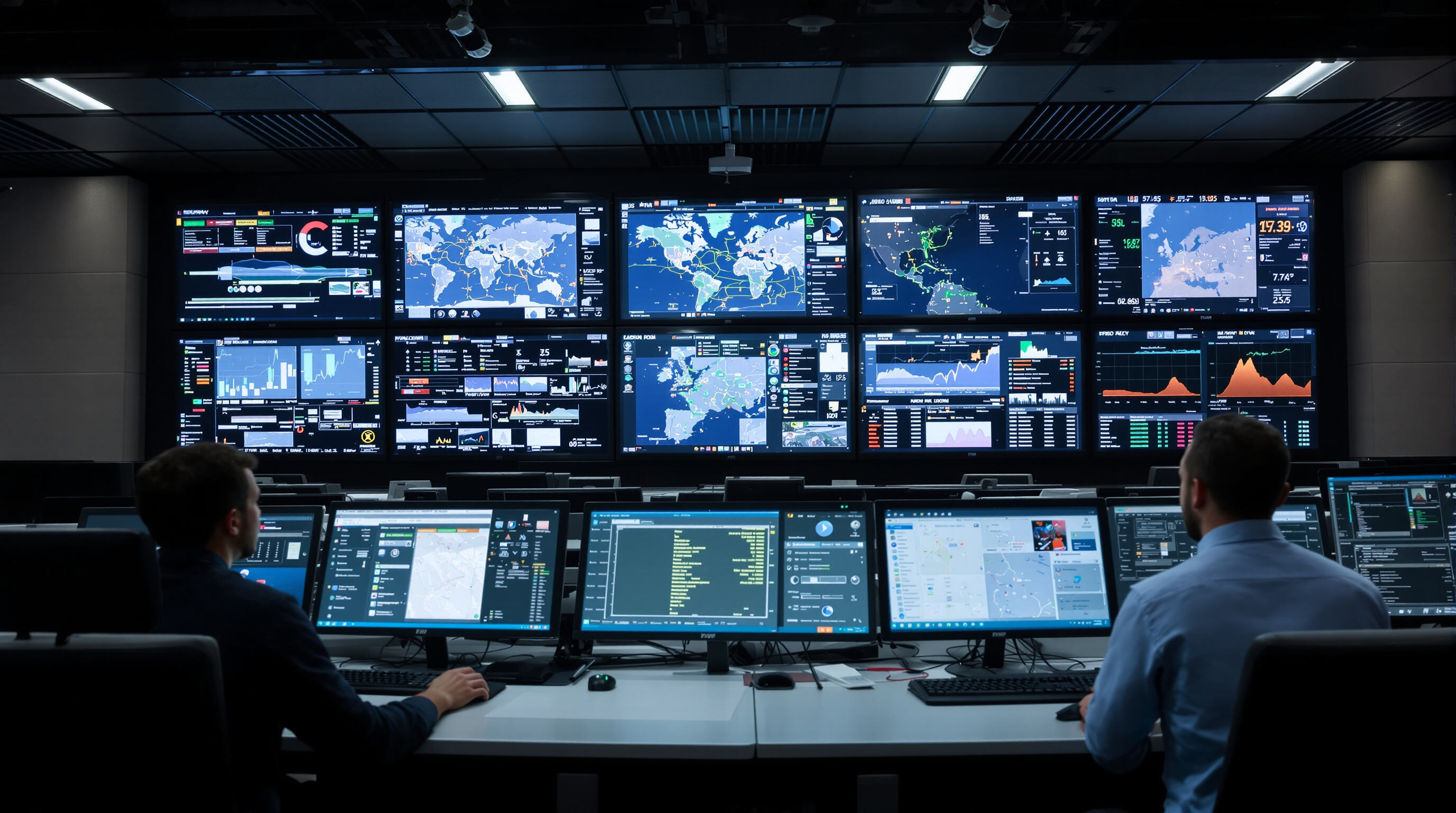
Cloud based platforms are bringing together all these scattered logistics data points into one easy to view dashboard, giving companies round the clock visibility on their overseas shipments. Take a look at the findings from the 2024 Cloud Logistics Market Report for example. These systems can actually track where cargo is located right now, what's happening with customs clearance, even monitor temperature and humidity levels at the same time across more than fifteen different transportation centers. No more chasing down updates through endless emails or spreadsheet hell. Companies using these tools have seen a pretty significant drop in delays - around 32 percent according to Logistics Tech Quarterly last year. The biggest win? Less frustration when trying to figure out why something hasn't arrived yet.
Modern tracking systems combine container GPS locations with all sorts of sensor info temperature readings, humidity levels, even impact detection and then run this through some pretty smart AI algorithms that spot problems before they become big headaches. Take refrigerated seafood shipments for instance when temperatures suddenly jump too high, these systems automatically send out warnings so logistics folks can move goods somewhere else usually within just 2 to 4 hours. That's way better than old school methods which took almost twice as long according to Maritime Tech Journal last year. The real value here is that instead of drowning in numbers and graphs, people actually get useful information they can act on right away.
Cloud systems can easily handle massive increases in shipment volumes during busy periods, sometimes scaling up by ten times what's normal. But according to recent research from the Cloud Security Alliance (2024), almost seven out of ten businesses worry about where their data lives and how secure it really is. The good news? Many modern cloud solutions address these concerns head on. They've started building regional data centers across different countries, implement strong AES-256 encryption standards, and set up role based access controls so only authorized people get to see sensitive information. These measures help companies stay compliant with strict regulations such as GDPR while still maintaining those critical real time tracking functions that logistics managers depend on day after day.
Today's tracking systems send automatic updates when there are delays lasting over 24 hours, when routes deviate more than 5 percent from what was planned, or when there are problems getting through customs. Getting these warnings gives businesses time to do things like change where goods are going, tweak staff schedules, or get paperwork ready ahead of time. According to a report on logistics efficiency from last year, this kind of proactive approach cuts down delays by around 32% compared to just watching everything manually. Some of the better systems actually look at past records of how long ports take to clear shipments and combine that information with current conditions. This helps spot potential traffic jams at ports even before the cargo shows up there.
Containers fitted with sensors along with GPS tracked trucks give shipping companies up to date information about waiting times at ports, so they can send cargo to less crowded terminals when needed. Take what happened during last year's Panama Canal drought for example some companies used real time data about water levels and managed to save around 740 million dollars worth of lost time by shifting their Asian goods meant for the East Coast over to West Coast harbors instead. When it comes to meeting regulations, things get easier too because automatic updates handle customs paperwork, which cut down on failed inspections by almost 20 percent compared to previous years according to recent reports from the industry.
These days, machine learning models can predict supply chain issues anywhere from two weeks to a month ahead by looking at things like weather trends, political situations around the world, and how carriers have performed in the past. Last year's test run showed pretty impressive results too - companies lost about two thirds less perishable goods during hurricanes because the AI suggested different shipping routes. New systems on the market will actually kick into gear and start making changes all by themselves when certain risks get too high. Think about it switching from trucks to ships or finding new suppliers without anyone having to manually intervene first.
Blockchain platforms let companies share sensitive data securely across the supply chain without giving away trade secrets. Manufacturers can work with freight companies and customs officials while keeping their proprietary info safe. Take the automotive industry for instance - one group of suppliers cut down those annoying shipment handoffs by almost half (around 41%) last year when they started using standard APIs to track where shipments were and what condition they were in during transit. What makes these blockchain systems really valuable is their built-in audit trail feature. This helps everyone stay compliant with all those ever-changing international trade rules without having to scramble through paper trails every time an inspector shows up.
Overseas logistics tracking faces challenges such as dealing with numerous customs regulations, inadequate infrastructure in emerging markets, and the limitations of legacy tracking systems.
Real-time tracking technologies like GPS, RFID, and IoT sensors offer precise location tracking, allow for automatic updates, and enable constant monitoring of environmental conditions within containers.
Cloud-based platforms centralize logistics data, allowing for real-time shipment visibility, integration with GPS and IoT for proactive insights, and seamless communication across supply chain systems.
Predictive analytics and AI help foresee and mitigate supply chain disruptions by analyzing patterns and trends, which allows for preemptive rerouting or logistic adjustments.
Blockchain ensures secure data sharing across supply chains, reduces paperwork errors, speeds up handoffs between carriers, and provides audit trails for regulatory compliance.


