 ×
×

The first thing to figure out is if the amount of stuff being shipped needs a full container load (FCL) or if a less than container load (LCL) arrangement would work better. Companies that ship large amounts consistently tend to get more bang for their buck with FCL because they have exclusive space in the container and things move quicker through customs. Smaller businesses or those dealing with odd sized items usually find it cheaper to go with LCL where multiple shipments get consolidated together. How often stuff gets shipped matters too. For companies exporting products all the time, finding a carrier that offers regular weekly departures along busy shipping routes makes sense. But folks who only ship during certain seasons might care more about being able to change plans last minute or reroute containers when needed.
What kind of cargo needs shipping has a big impact on choosing the right carrier. For perishables like food products or meds, companies need those special cold storage containers that track temps in real time. When dealing with dangerous stuff, only certain carriers who follow the IMDG regulations can handle it properly, keeping things safe during transit while staying within legal boundaries. Electronics and other expensive items call for extra security measures too, including better insurance coverage and systems that discourage theft attempts. Getting the cargo classification wrong continues to cause problems for many businesses. Last year alone, nearly 4 out of 10 shippers faced delays because they got this part wrong, which is why getting the categories right at the beginning makes all the difference in smooth operations.
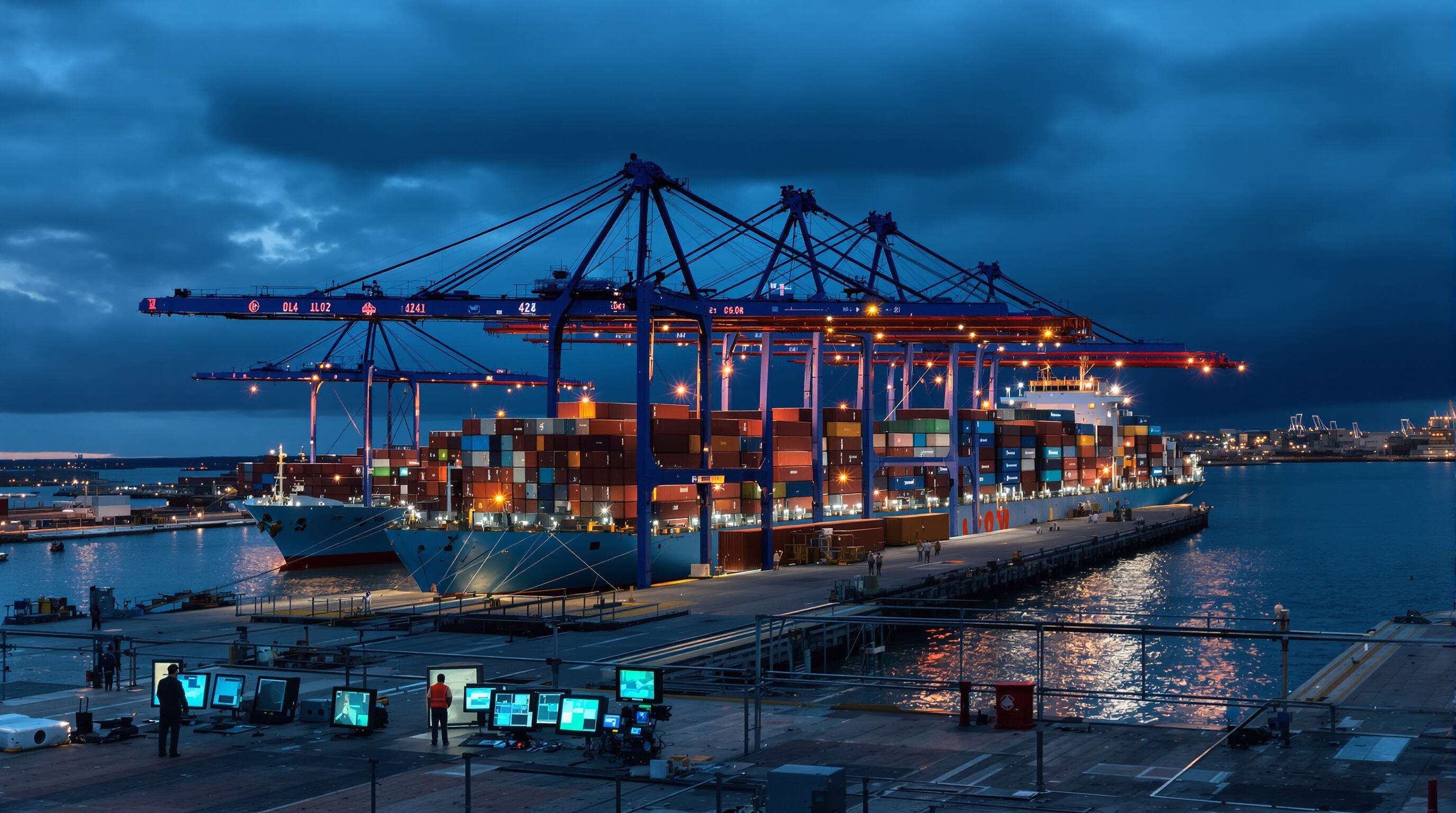
The best logistics companies typically hit delivery targets around 95% of the time or better. They achieve this through clear performance dashboards and by thinking ahead when problems might arise. A recent 2024 report on shipping operations showed that nearly 8 out of 10 delays actually come down to fixable issues within the system itself. This highlights why so many top firms are investing in smart exception management tools powered by artificial intelligence these days. When looking for reliable partners, make sure they provide live updates on container locations and have backup plans in place for switching ports if something goes wrong. These contingencies help handle unexpected situations like ship malfunctions, work stoppages at docks, or sudden port shutdowns that can throw everything off track.
The problem of port congestion really stands out these days, with ships sitting idle about 40 extra hours during busy periods at big shipping centers according to maritime reports from last year. When looking at areas prone to hurricanes, think South China Sea, bad weather actually affects roughly one in every seven shipments throughout the whole year. Customs problems create another headache altogether. Around a third of all delays happen when special paperwork is needed for certain goods, like those regulated by the FDA. All these issues point toward why good logistics companies need fast customs clearance options and backup routes ready to go when things fall apart.
The time it takes for goods to travel from point A to B rarely matches what shipping companies promise on paper. Take shipments going from Asia to Europe as an example the difference between expected and actual arrival dates typically clocks in around nine and a half days. Why? Well, there are plenty of reasons blank sailings when ships skip ports, extra charges for fuel, and those unexpected delays at harbors nobody likes. Some forward-thinking carriers have started addressing this gap by simply forgiving detention fees when containers arrive late. According to recent industry benchmarks from last year, this approach can cut down supply chain expenses by about twelve percent. To get a clearer picture of how well carriers actually perform, savvy logistics managers turn to independent AIS tracking services. These tools show exactly where ships are at any given moment, helping businesses match promised timelines with what really happens out there on the water.
How far a shipping company's network extends really matters for how dependable their service ends up being. Companies that work mainly on those top quarter routes around the world actually cut down on port backup problems by about a third when compared to smaller local carriers. When looking at logistics partners, check if they have good connections to key spots such as Rotterdam in Europe, Singapore in Asia, and LA on the West Coast US side. These three alone move nearly half of all containers worldwide according to recent data. It's smart business practice to go with freight forwarders who can offer multiple paths for cargo transportation. This helps keep things moving even when there are unexpected holdups caused by weather seasons changing or political issues disrupting normal operations somewhere along the supply chain.
When shipping companies team up with major carrier alliances like 2M or THE Alliance, they get access to better container space allocations. Those with solid long term agreements typically grab around 18 to maybe even 24 percent extra room when business picks up during busy periods. What really matters too is how these relationships help handle tricky situations at ports. Through regular contact with local port officials, carriers can often work out labor issues faster and negotiate fairer rates on additional fees. This proactive approach saves money in the long run by preventing those expensive storage and delay penalties that eat into profit margins.
Having local staff at key destinations really speeds things up when it comes to getting through customs. We've seen dwell times drop anywhere from 2 to 5 business days just by having someone on site who knows the ropes. Compliance is another big deal too. Companies need to keep up with all those regional regulations - think about the EU's Import Control System 2.0 or ASEAN's cargo manifest requirements. A lot of shipments get stuck because folks forget these details, accounting for nearly 20% of all holdups actually. And let's not forget about security certifications like ISO 28000. Carriers that have this certification tend to handle security much better, especially along dangerous shipping lanes. This means fewer inspections and less chance of cargo disappearing during transit, which saves both time and money in the long run.
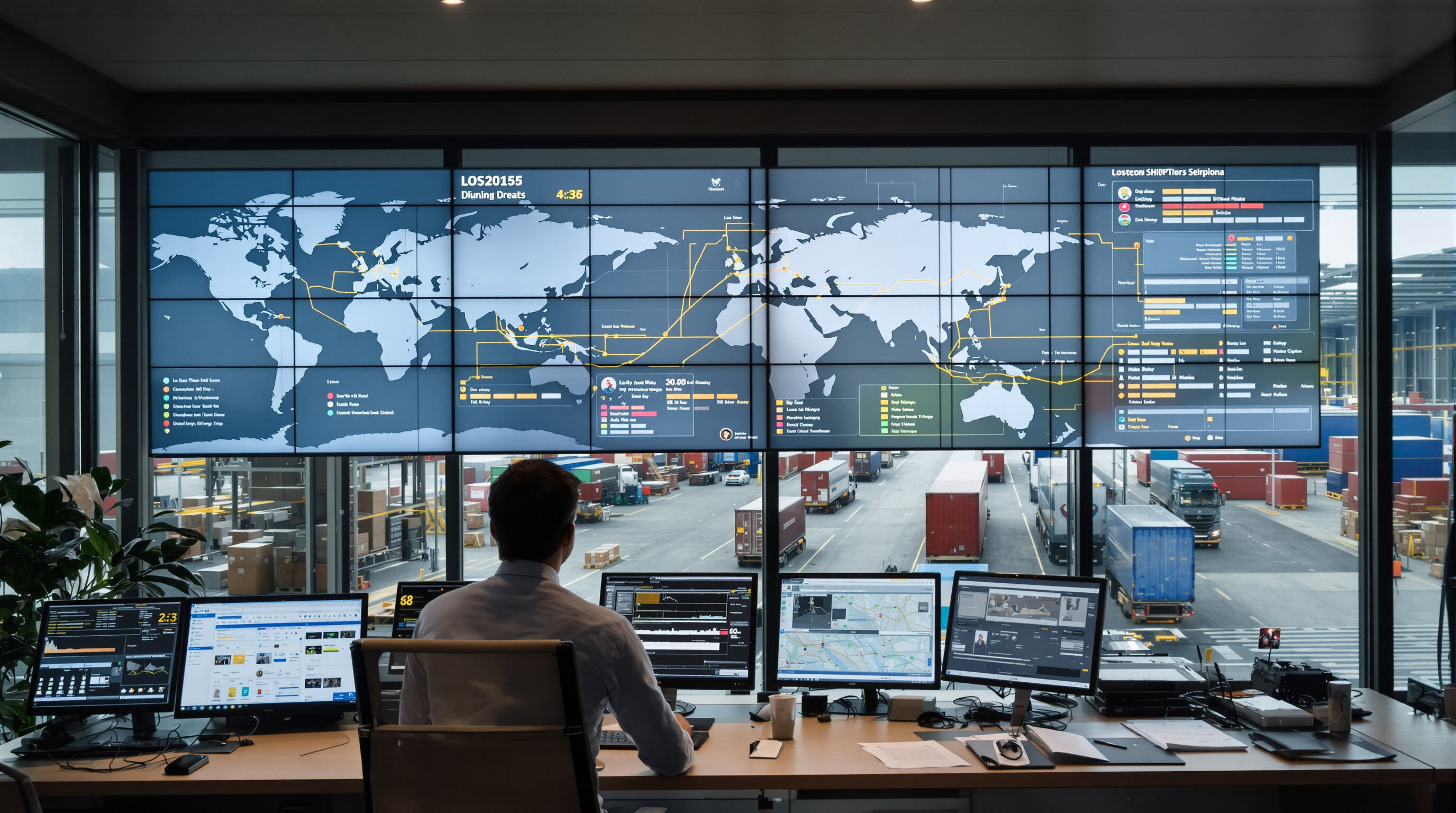
Modern shippers increasingly expect digital capabilities: a 2024 industry analysis shows 78% now consider real-time tracking and digital documentation integration essential in their sea freight service. Begin by comparing FCL and LCL options, and ensure your provider offers integrated customs brokerage, warehousing, and inland transport coordination.
Leading providers offer unified platforms that display cost-per-container comparisons, warehouse availability, and multimodal routing options—helping balance speed (average 14—28 days transit) and budget (LCL can save up to 35% for shipments under 20 tons). Integrated services streamline handoffs between ocean, rail, and trucking, reducing touchpoints and potential delays.
Pharmaceutical shippers report 92% fewer temperature excursions when using partners with ISO 13485-certified reefer containers and dual-layer humidity control—critical for vaccines and biotech shipments. Such specialized handling ensures regulatory compliance and product integrity across long-haul routes.
Blockchain-enabled bills of lading reduce documentation errors by 63% (World Shipping Council, 2023), while IoT sensors provide live updates on location and container conditions—now a requirement for 89% of automotive exporters. These technologies enhance visibility and reduce administrative burden.
Top-tier providers resolve cargo damage claims within seven days—far below the industry average of 22 days—thanks to AI-powered reporting and multilingual 24/7 support. This responsiveness is especially vital for perishable goods exporters, where the average spoilage rate is 1.2% and rapid intervention can prevent total loss.
FCL (Full Container Load) means that an entire container is used for one shipment, providing exclusive space and faster customs processes for large, consistent shipments. LCL (Less Than Container Load) combines multiple shipments in one container, which is more cost-effective for smaller businesses or odd-size items.
The type of cargo—general, perishable, hazardous, or high-value—influences the choice of carrier. Specialized carriers are required for perishables, hazardous, and high-value cargo to ensure safety, temperature control, and security.
Transit times promised by shipping companies often differ due to factors like port congestion, weather issues, and customs bottlenecks. Unexpected charges and delays at ports can add to the gap.


