 ×
×

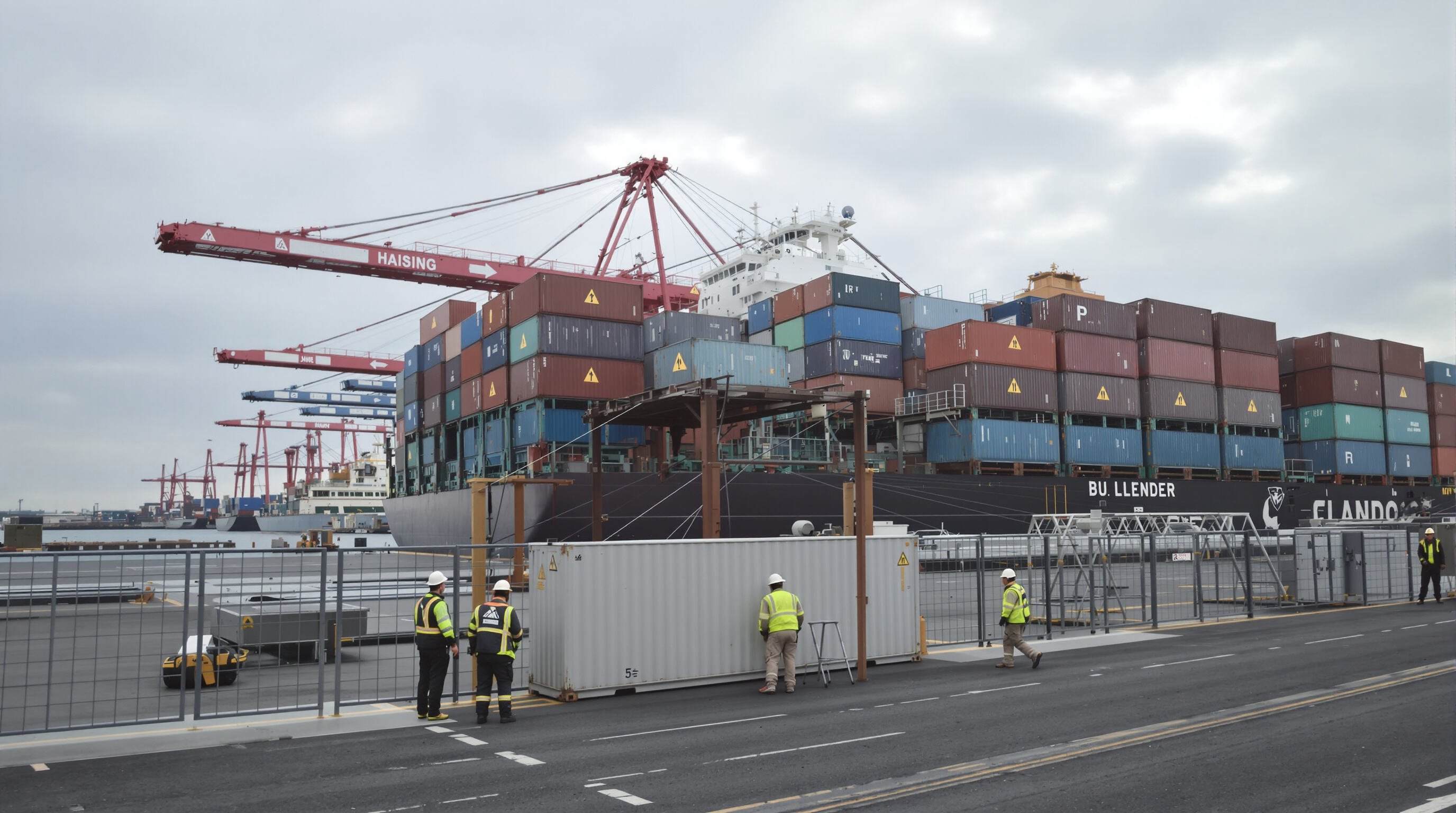
The IMDG Code is basically the rulebook for shipping hazardous materials across oceans. It lays out what needs to be done regarding proper packing, clear labels, and all the paperwork required before anything dangerous leaves port. Backed by SOLAS regulations and kept current by the IMO, these rules help stop disasters at sea where chemicals might leak or catch fire during transit. The code gets revised roughly every other year to keep pace with new threats we face. Take lithium batteries for instance their presence in ship cargo has shot up by about 22 percent between 2020 and 2023 alone. That kind of growth pattern means regulators have to constantly update safety protocols to match reality rather than lag behind it.
Dangerous goods are categorized into nine hazard classes, including explosives, flammable gases, and corrosive substances. The IMDG Code aligns with the UN Model Regulations, enabling consistent dangerous goods shipping protocols across 179 countries. For example, Class 3 flammable liquids require specialized UN-approved containers tested for pressure resistance and leakage prevention.
Volume 1 outlines operational requirements for shippers:
Volume 2 provides a 3,000-entry Dangerous Goods List (DGL), specifying transport conditions for each substance. Exceptions include limited quantity exemptions for small volumes of low-risk materials like perfumes (UN1266) and aerosol cosmetics (UN1950). These exceptions reduce compliance costs by up to 40% for qualified shipments while maintaining safety standards.
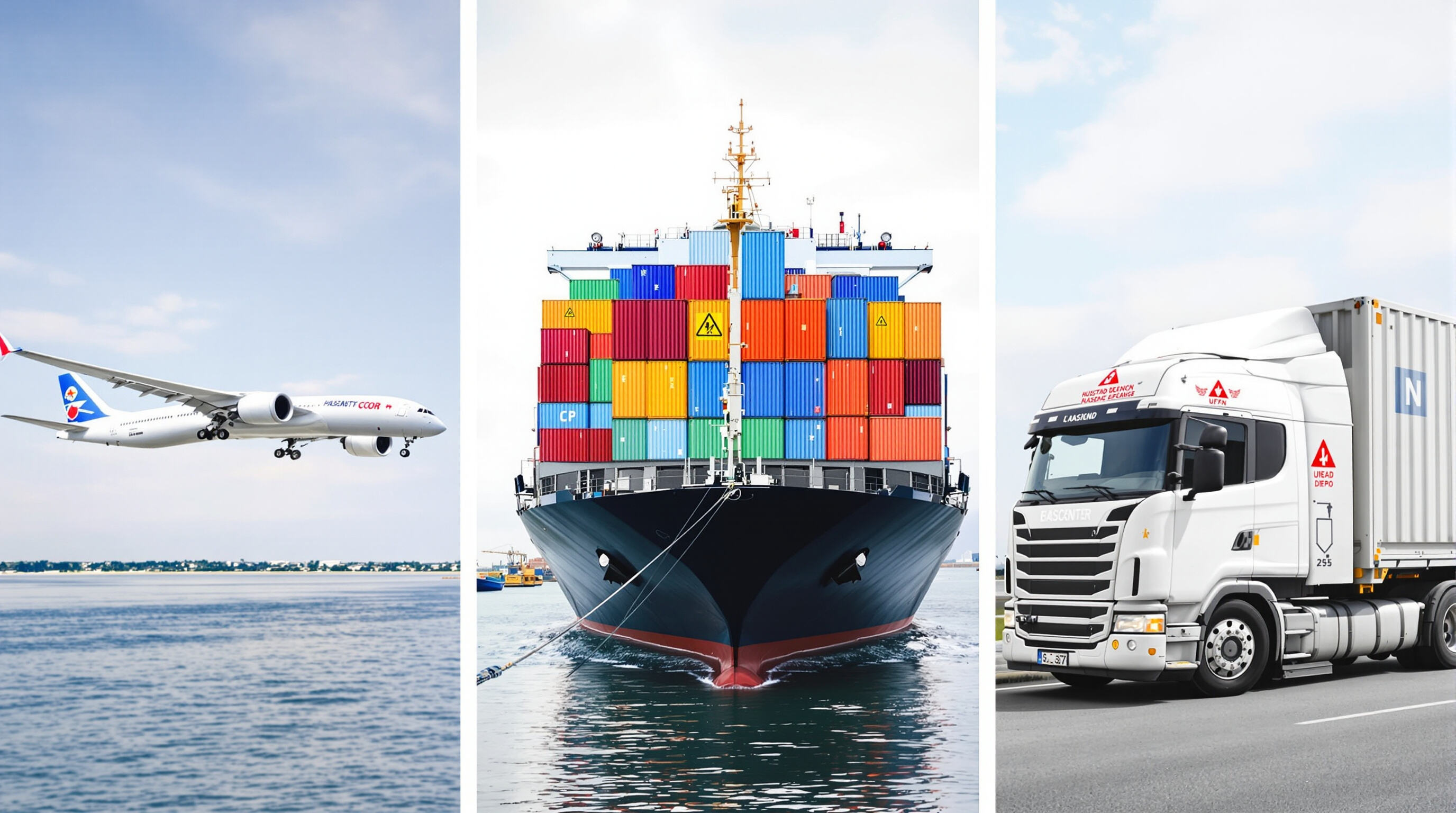
Air transport safety gets a big boost from the International Air Transport Association's Dangerous Goods Regulations, commonly known as DGR. These guidelines work hand in hand with the ICAO Technical Instructions and get updated every year. They cover important things like how different types of cargo need to be separated, making sure packages stay intact during transit, and proper documentation requirements across eleven distinct hazard categories. Looking at recent data from 2023 shows something interesting happened after IATA started requiring double layer packaging for all battery shipments - there was a drop of around 32% in incidents related to lithium batteries on flights. For anyone shipping goods by air, getting certified through an IATA approved training program has become essential business practice nowadays. Each airline actually maintains its own specific rules too, so shippers need to know exactly what their particular carrier expects when it comes to transporting dangerous materials.
Ground transportation regulations fall under the jurisdiction of the Pipeline and Hazardous Materials Safety Administration within the U.S. Department of Transportation, specifically governed by 49 CFR Part 172. The latest version of the 2024 Lithium Battery Guide has made several changes to how lithium-ion cell testing should be conducted. These updates align better with international standards set forth in the UN Model Regulations, something industry players have been pushing for quite some time. Looking at PHMSA's enforcement figures from last year reveals an interesting trend: over six million dollars worth of penalties were handed out because companies failed to properly communicate hazards during their truck shipments. This financial impact underscores just how serious regulatory compliance really is when it comes to transporting dangerous goods safely across state lines.
Over 95% of countries now base their dangerous goods shipping rules on UN Model Regulations, creating baseline consistency across modes. Key alignment initiatives include:
Divergences persist in exception thresholds, with IATA allowing 30% less flammable liquid per package than IMDG for air transport.
International standards like the IMDG Code universally ban explosives, flammable adhesives, and pressurized aerosols in commercial shipments. Major carriers restrict:
According to the 2024 Hazardous Materials Compliance Report, 34% of rejected dangerous goods shipments involve undeclared flammable liquids or restricted chemicals. These prohibitions apply equally across air, maritime, and ground transport under IATA and IMDG regulations.
Substances that catch fire easily such as acetone and propane need special stabilization treatments plus packaging approved by the United Nations because they can vaporize while being transported. The latest changes to IATA's Dangerous Goods Rules now demand better pressure relief systems for gas shipments flying commercially after 2025. Why? Well, look at the numbers: about one out of every five hazardous material incidents in air transport happened because the containers didn't hold the gas properly. Industry experts have been pushing for these improvements for years, especially since several high profile accidents highlighted just how dangerous improper containment can be when dealing with volatile materials mid-flight.
A 2023 emergency landing occurred when undeclared cosmetic aerosols leaked in cargo, triggering fire alarms. Investigators found the shipment lacked required Class 2 hazard labels and safety data sheets. This $740k incident (Ponemon 2023) underscores why carriers now require dual verification for all pressurized container shipments.
Major carriers enforce distinct policies for dangerous goods shipping to meet regional regulations and operational requirements. Understanding these variations ensures compliance and prevents shipment rejections.
UPS requires shippers to complete its Hazardous Materials Compliance Program before transporting items like flammable liquids or corrosive materials. The approval process includes verification of UN-certified packaging and hazard communication labels. UPS strictly prohibits infectious substances and industrial fireworks across all service levels.
The United States Postal Service maintains the strictest limitations, banning international shipments of all hazardous materials under Postal Operations Manual §621. Domestic exceptions exist for limited quantities of toiletries and non-flammable aerosols, which require ORM-D labels and ground transportation only.
DHL processes internationally compliant shipments following IMDG Code standards for ocean transport and IATA guidelines for air cargo. The carrier permits Class 3 flammable liquids and Division 2.2 non-flammable gases with proper UN certification. All dangerous goods shipments through DHL require advance notification and multilingual hazard documentation.


