 ×
×

The term FBA Freight basically means moving stuff to those big Amazon warehouses across the country. When sellers ship their inventory there, Amazon takes over completely from that point forward. They store it, package it up, and send it out to customers all on their own. The whole reason this works so well is because it makes products eligible for Prime shipping, giving buyers that fast 1-2 day delivery window we've all come to expect. Some studies suggest this kind of speed boost sales conversions somewhere around 40%, according to Marketplace Pulse last year. Just imagine how different things would look if Amazon couldn't get goods to those warehouses efficiently. The whole FBA concept relies on being able to scale quickly while keeping shoppers happy with reliable service day after day.
This system synchronizes with Amazon’s global logistics ecosystem, connecting suppliers, ports, and fulfillment centers through digital tracking. When freight arrives, Amazon’s proprietary algorithms prioritize stocking based on demand forecasts and regional sales data. Real-time integrations reduce warehouse processing time by 20% (Logistics Tech Review 2024), enabling faster inventory turnover.
Amazon’s 2025 updates mandate standardized "Send to Amazon" workflows and AI-driven shipment groupings. Key changes include:
Determining the optimal FBA freight method hinges on shipment characteristics. Below we analyze two core approaches:
Small Parcel Delivery works best when shipping items that weigh less than 150 pounds, usually around ten boxes or fewer. Most major carriers including UPS and FedEx handle these deliveries right to the customer's doorstep. This method is great for companies needing to quickly replenish inventory since packages typically arrive within one to five days with very little extra work involved. The biggest plus? No need to worry about palletizing goods which cuts down on prep time and keeps those annoying LTL charges at bay. Sure, Small Parcel tends to run anywhere from 70% to even 120% higher per item compared to bulk shipping options. But for smaller operations or businesses launching something new, the convenience often outweighs the price difference. Many entrepreneurs find it worth the extra bucks just to get products out there faster without all the hassle of traditional freight services.
When shipping goods weighing somewhere between 150 pounds all the way up to around 10,000 pounds which usually means four or more pallets involved, Less Than Truckload shipping makes sense because carriers can share trailer space across different shipments. The logistics company combines freight coming from various sellers together, which helps get those bulk pricing deals that simply aren't possible when using Standard Point Delivery services. Getting the pallets right matters a lot for this type of shipment. They need to fit within Amazon's size requirements and each one should have that official document called a Bill of Lading attached. Delivery times generally run anywhere from three to seven business days depending on distance factors. But what makes LTL worth considering despite the extra wait time is how much money companies save per item shipped thanks to better use of available container space during transport.
Mid-volume sellers shipping 5,000–10,000 lbs monthly achieve the greatest savings switching to LTL. Logistics analyses show freight costs drop 28–30% compared to SPD.
| Shipment Volume | SPD Cost Per Unit | LTL Cost Per Unit | Savings |
|---|---|---|---|
| 2 pallets | $4.50 | $3.20 | 29% |
| 8 pallets | $4.15 | $2.95 | 30% |
This efficiency comes from eliminating redundant handling and accessorial SPD charges. However, sellers must account for pallet fees ($15–25 per unit) and stricter delivery scheduling.
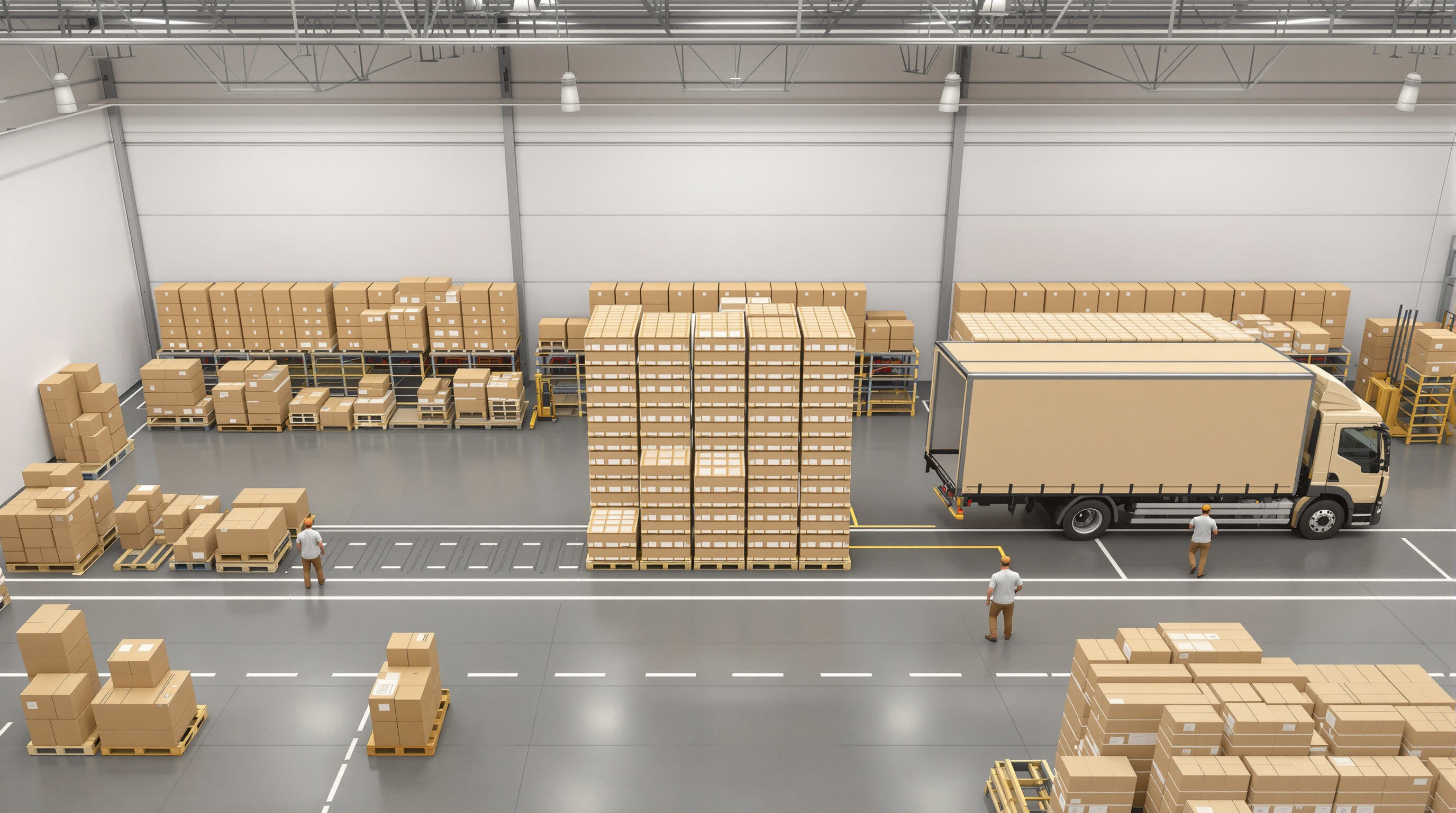
The cost of shipping through FBA doesn't just go up steadily as packages get bigger it actually follows a pretty strange curve. For small items weighing less than 500 pounds, sellers typically pay around $2.50 per unit when using standard parcel delivery services. Things get interesting at the mid-range though. When shipments hit between 500 and 5,000 pounds, the price drops significantly to about $1.80 per unit according to recent data. Big companies that ship massive volumes can negotiate even better deals sometimes getting down to $1.20 per unit for full truckload shipments based on industry standards from last year. No wonder so many mid-sized businesses are mixing different shipping approaches these days. Around two thirds of them have started combining various methods to keep their expenses manageable while still maintaining enough flexibility to handle unexpected order spikes or seasonal changes in demand.
Route optimization algorithms reduce empty miles by 28% while meeting Amazon’s strict delivery windows. A 2024 pilot program with temperature-controlled shipments found that consolidating loads into multi-stop LTL routes cut fuel costs by 19% without delaying Prime eligibility.
An anonymous Home & Kitchen category leader achieved significant savings through three strategic changes:
When evaluating freight forwarders for FBA, prioritize partners with:
Industry reports show that 86% of enterprises using specialized 3PLs reduce fulfillment errors by 30% compared to self-managed logistics. Evaluate potential partners through:
Top-performing 3PLs combine Amazon-specific capabilities with multi-channel flexibility:
| Critical Capability | FBA Advantage |
|---|---|
| Inventory syncing | Prevents stockouts during Amazon’s peak sales events |
| Batch processing | Meets FBA’s 72-hour receiving window for 95% of shipments |
| Returns management | Reduces storage fees through efficient reverse logistics |
Scalable providers offer dynamic solutions such as:
Leading sellers using tech-enabled 3PLs report 18% lower storage fees and 40% faster inventory turnover compared to FBA-only strategies.
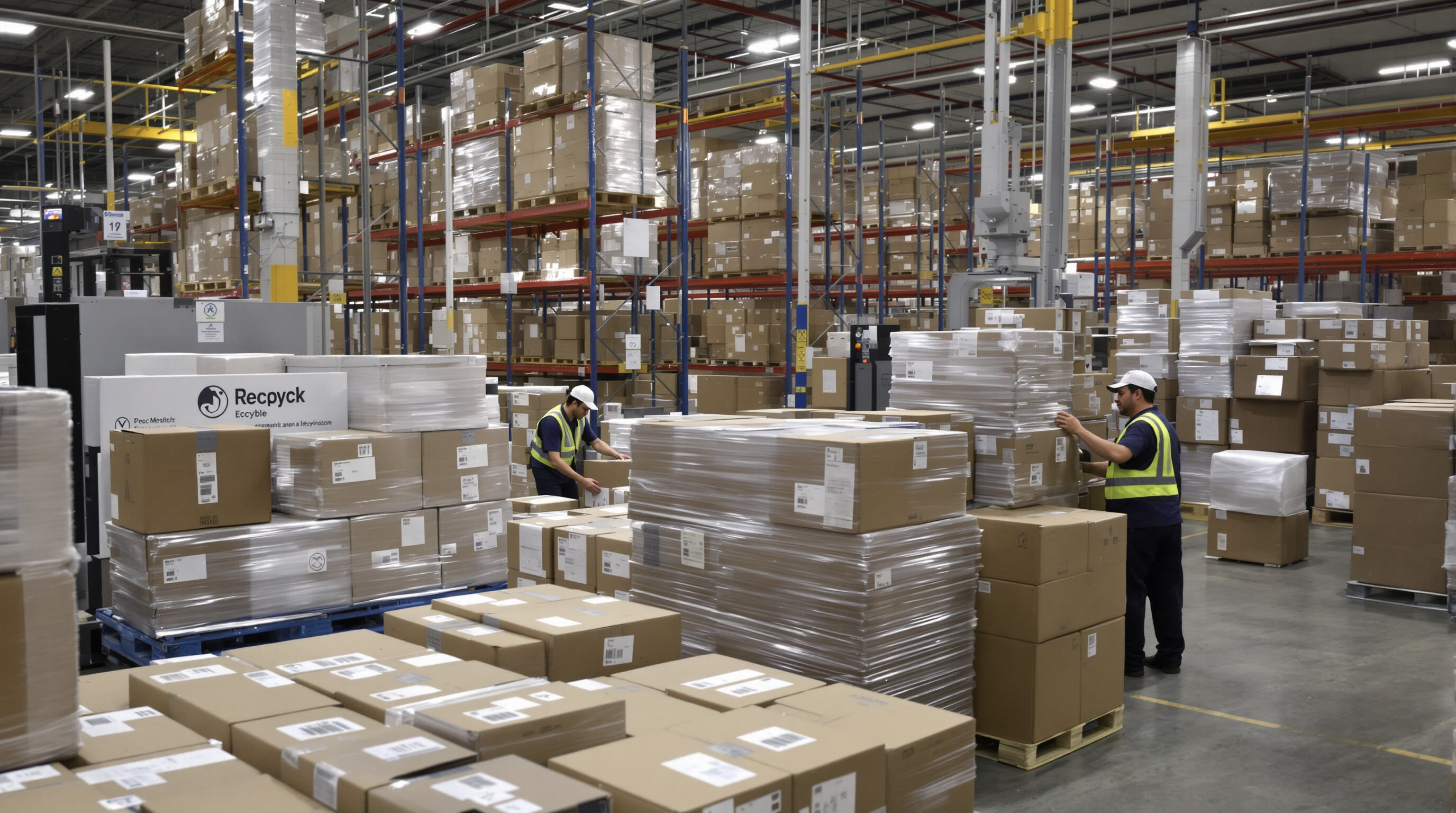
The 2024 logistics changes from Amazon mean sellers need to follow much tighter rules around barcodes (those FNSKU labels specifically), how they stack pallets, and getting all documentation spot on. The company wants everyone using their Shipment ID system now, and small mistakes in listing product sizes or weights have been causing major headaches lately. Last year alone, these errors accounted for about one third of all fulfillment holdups. On the green side of things, there are new rules requiring fully recyclable packaging for any SPD shipments weighing less than 50 pounds, something that fits right into Amazon's overall climate goals. Fortunately, Seller Central has rolled out this Prep & Labeling dashboard tool that automatically checks most compliance stuff, cutting down errors by nearly 30% when compared to doing everything manually.
Late arrival penalties and inbound scheduling conflicts affect 19% of FBA freight operations annually. Proactive strategies include:
Balancing FBA freight velocity with Amazon’s 2024 “90-Day Storage Turnover” rule requires data-driven replenishment. Sellers minimizing storage fees use:
| Strategy | Impact |
|---|---|
| AI-driven demand forecasting | 92% inventory accuracy |
| Mini-LTL shipments | 24% fewer overstock incidents |
| Removal order automation | 37% faster slow-moving SKU clearance |
A 2023 LogisticsIQ study showed sellers combining these tactics reduced FBA storage costs by $18k/year per $1M in sales.
FBA Freight refers to the process of transporting inventory to Amazon warehouses, where Amazon handles storage, packaging, and delivery to customers.
SPD is suitable for shipments under 150 pounds, offering prompt delivery with minimal preparation. It's costly compared to bulk options but offers convenience.
LTL shipping is ideal for larger shipments between 150 and 10,000 pounds, allowing cost savings through shared trailer space and streamlined pallet handling.
Sellers can mix different shipping methods, use AI-driven demand forecasting, and utilize tech-enabled 3PLs to optimize costs and efficiency.
Amazon's 2025 updates include standardized workflows, AI-driven shipment grouping, and updated compliance checks to enhance efficiency.


