 ×
×

DDP stands for Delivered Duty Paid, one of those Incoterms set out by the ICC where sellers take on everything right up until goods actually reach their final destination. The seller handles all the paperwork including getting those export and import licenses sorted, pays whatever tariffs come due which typically run around 7.5% for stuff coming into the US, and makes sure everything follows local rules at the other end. When products are being shipped from China specifically, manufacturers need to work closely with logistics companies to book space on ships or planes, get customs cleared in both China and wherever they're headed, plus arrange for someone to pick up the cargo once it lands. Some research from McKinsey back in 2023 suggested that switching to DDP instead of DAP cuts down delivery problems by about two thirds because the seller stays in charge throughout the whole journey from factory to customer doorstep.
When working under DDP terms, sellers need to figure out and pay ahead of time all those import duties. That includes those hefty Section 301 tariffs which can hit 25% on products coming from China to the US market. They also have to prepare full commercial invoices along with proper HS code paperwork, plus keep their cargo insured right through to when it actually reaches the buyer's hands. According to recent data from US Customs and Border Protection, about one third of all DDP shipments end up needing extra checks on their harmonized system codes. Because of this reality, most experienced sellers recommend setting aside around 10 to 15 percent extra just in case there are surprise compliance expenses down the road.
The DDP model makes doing business between China and the U.S. much simpler for companies because it takes away the need for buyers to handle customs paperwork themselves. All those logistics costs get bundled together at the start, which cuts down on unexpected expenses by almost 90%. Plus, it works well with what Chinese exporters are already doing with their automated customs systems. A recent report from Flexport shows that goods shipped under DDP arrangements pass through U.S. customs about 17 percentage points quicker than when buyers manage the process themselves. That speed boost comes from exporters knowing both countries' rules inside out. Combine this faster clearance time with the fact that costs are predictable from day one, and it's no wonder why nearly seven out of ten American procurement managers now go straight for DDP partners when they need critical parts for production.

When working under Delivered Duty Paid (DDP) terms, sellers take on all the money matters and logistics headaches right up until the goods actually arrive at the buyer's door. They're responsible for covering those pesky import duties, taxes, and whatever fees come up during customs clearance in whatever country the stuff is going to. Plus they have to handle getting things delivered that final stretch to the actual location, along with all the paperwork involved like commercial invoices, origin certificates, and those complicated HS codes for classification. Most businesses find themselves needing help from a good freight forwarding company to manage all this complexity, especially since U.S. customs can be so particular about what needs to be done right.
DDP makes things easier for buyers but creates headaches for sellers who deal with unpredictable tariffs, port demurrage fees, and wild swings in currency values. According to a recent logistics industry report from 2023, around one third of companies shipping under DDP terms ended up paying extra because of customs valuation issues, with an average hit of about seven thousand two hundred dollars per shipment. There are plenty of other hidden costs too. Getting fined over wrong product labels happens more than people realize, and shipments often get stuck at ports simply because some paperwork was missing or incomplete something most businesses don't factor into their original cost calculations. To keep profit margins healthy, smart sellers need to stay on top of changing regulations and monitor developments as they happen rather than waiting until problems arise.
Getting DDP right means finding that sweet spot between being open about costs while still making money. Most companies that do well in this space tend to build in around 18 to 25 percent extra margin just in case duties or taxes go up unexpectedly. They also work out deals with reliable customs brokers for better bulk clearance rates and follow those Incoterms 2020 rules so everyone knows where liability starts and stops. The numbers look good when everything works smoothly too. Orders processed under DDP often fetch about 40% higher value than regular CIF terms because customers love knowing exactly what they'll pay at delivery. But watch out folks, things change fast in this business. Sellers need to keep checking their shipping networks and government regulations all the time. Take China's recent VAT changes in 2024 as proof. That adjustment alone knocked down profits for electronic goods exporters by roughly 8% over just half a year.
DDP stands out among Incoterms by placing maximum responsibility on the seller. Key distinctions include:
| Incoterm | Risk Transfer | Cost Responsibility | Customs Handling |
|---|---|---|---|
| DDP | At buyer’s premises | Seller pays all duties/taxes | Seller manages clearance |
| DAP | At destination port | Buyer handles import fees | Buyer arranges clearance |
| DDU | At destination port | Buyer pays duties/taxes | Shared documentation |
| EXW | At seller’s warehouse | Buyer bears all costs | Buyer oversees entire process |
Under DAP, buyers assume liability upon arrival–29% of U.S. importers report customs delays due to miscommunication (International Chamber of Commerce 2023). EXW, while low-risk for sellers, demands significant logistics coordination from buyers and is favored by 62% of Chinese manufacturers for simplicity.
The DDP turnkey method takes care of all those surprise charges buyers usually dread since sellers handle both duties (which typically run around $740 per shipment) and the final delivery costs. Compare that to what happens with DDU shipments where nearly half (about 41%) end up facing unexpected tax hits over $500 according to Ponemon research from last year. Freight forwarder companies take things even further by adding tools like live duty calculators, streamlining customs paperwork in over 180 nations, and creating mixed approaches such as applying DDP rules to main items while using EXW terms for smaller accessory parts. Companies that switch to DDP see roughly 38 percent drop in customer support calls compared to businesses sticking with DAP methods, which shows how much clearer everything becomes when shipping details are transparent upfront. Still worth noting though, keeping track of ever changing trade regulations in every market remains critical if businesses want to keep enjoying these benefits long term.
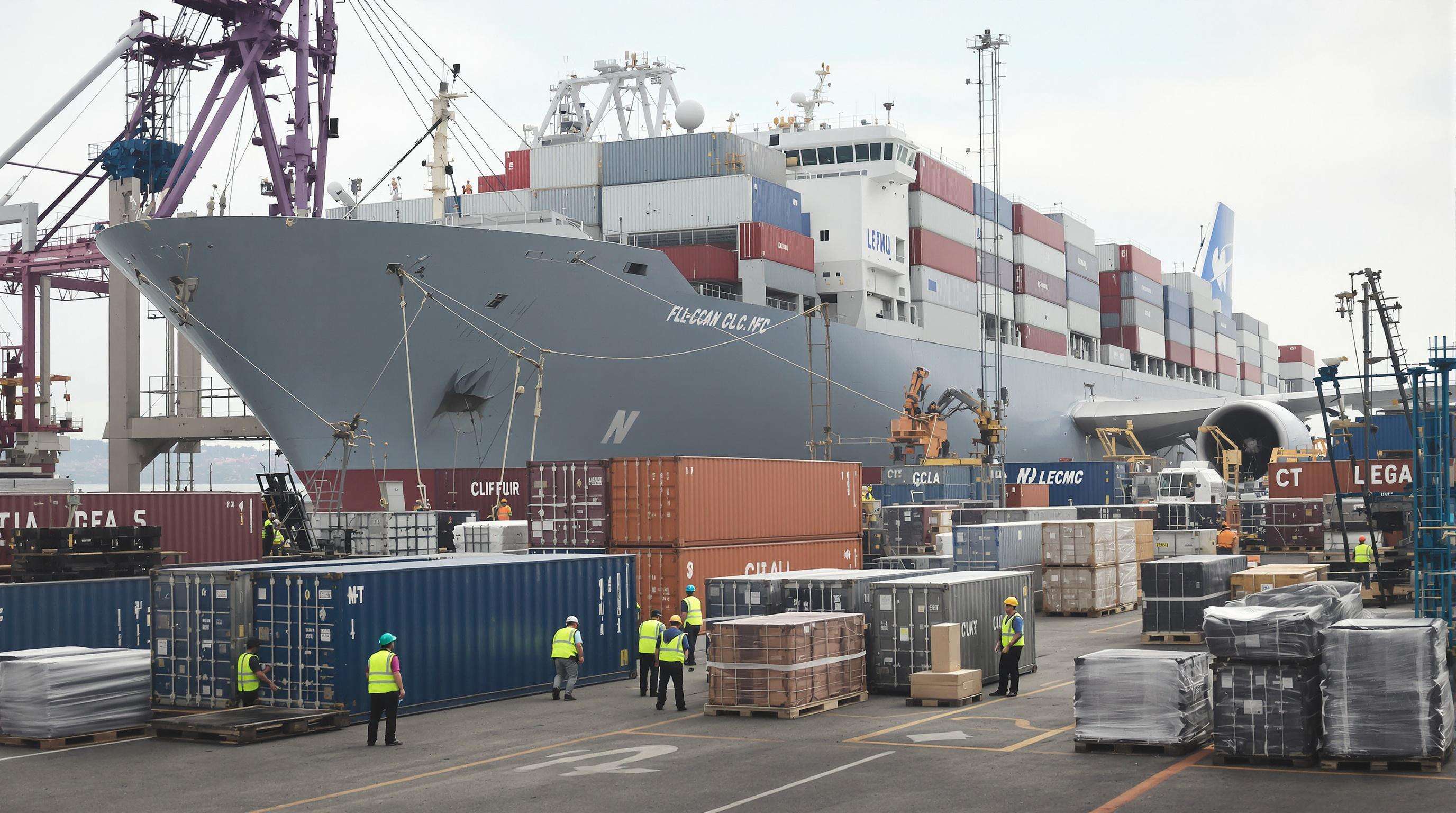
The DDP workflow begins with the seller or logistics partner confirming Incoterms and ends with doorstep delivery in the U.S. Key phases include:
Sellers must provide accurate six-digit HS codes, FDA/FCC compliance certificates for regulated goods, and proof of duty payments via ACH or electronic transfer. Incomplete paperwork causes 72% of customs delays in DDP shipments, highlighting the importance of precise AES (Automated Export System) filings and up-to-date regulatory knowledge.
The U.S. has strict import requirements that DDP shippers must deal with when bringing in products from China. They need to handle Section 301 tariffs covering about $370 billion in goods, plus face CBP's forced labor checks as mandated by the Uyghur Forced Labor Prevention Act. There are also various state level rules to contend with, such as California's Proposition 65 regulations. Most specialized freight forwarding companies manage around 90% or so of these compliance problems long before cargo arrives at American ports. This helps prevent delays and keeps shipments compliant with all those constantly changing regulations that seem to pop up overnight.
Freight forwarders serve as the go-to support system for DDP shipments, taking care of all the different transportation methods and sorting out those complicated customs procedures so everything stays within legal boundaries. When companies let experts handle their export and import papers plus figure out what duties will apply before shipping, they actually cut down on delays by about 22% versus when businesses try to manage this themselves according to Global Trade Review from last year. Working alongside customs brokers helps get those tariff codes right and keeps everyone following local rules across different countries, which means fewer headaches from stuck cargo or unexpected fines down the road.
Customs brokers licensed by U.S. Customs and Border Protection (CBP) focus exclusively on import compliance:
| Role | Freight Forwarder | Customs Broker |
|---|---|---|
| Responsibility | Manages logistics, warehousing, and transport | Processes customs entries and duty payments |
| Licensing | Federal Maritime Commission/IATA | U.S. Customs and Border Protection |
| Scope | End-to-end shipment coordination | Import clearance at destination port |
Brokers verify harmonized system (HS) codes, submit advance cargo declarations, and resolve disputes–critical for avoiding customs audits, which occur in 14% of cross-border shipments.
Selecting the right partner for DDP logistics requires looking at several key factors. First, check if they have solid experience in the specific markets where goods will be delivered, ideally at least five years there. Look for companies that offer built-in compliance solutions such as real time shipment tracking and automatic duty calculation systems. These tools actually cut down error rates significantly according to recent industry research from LogisticsIQ back in 2023. The difference between good partners and bad ones shows up clearly in delivery performance too. According to a survey last year, companies working with properly vetted logistics firms hit their delivery deadlines about 98 out of 100 times, while those without proper vetting only managed around 76%. For shipments heading into the United States, make sure the provider holds relevant security certifications like CTPAT status. This isn't just paperwork stuff either - these certifications really matter when customs officials inspect cargo at ports of entry.
DDP stands for Delivered Duty Paid, which means the seller is responsible for all costs and formalities until the goods reach the buyer's location.
DDP places maximum responsibility on the seller compared to terms like DAP or EXW, where buyers have more responsibilities.
DDP simplifies the process by removing customs handling from the buyer's responsibilities, which reduces unexpected costs and speeds up clearance through customs.
Sellers may face hidden costs such as customs valuation issues, incorrect HS code application, and fines for incorrect labels or paperwork.
Choosing the right logistics partner ensures compliance, efficient handling of shipments, and reduced risk of delays or fines due to their expertise in navigating regulations.


